Why Puyallup’s Oldest Neighborhoods Demand Extra Gutter Care
Older homes in Puyallup’s historic districts carry charm—and unique gutter vulnerabilities. Decades of Pacific Northwest rain, falling cedar needles, and aging materials mean these systems often fail silently until water damage appears. We’ve seen firsthand how proactive care prevents costly repairs in neighborhoods like South Hill and Edgewood.
Older Homes, Older Gutters: The Hidden Risks
Many Puyallup homes built before the 1980s have original gutters nearing the end of their lifespan. Aluminum and steel gutters from this era often corrode or lose their sealant, leading to leaks at the seams.
Wood fascia boards behind these gutters are especially prone to rot when water overflows or sits too long. Once fascia fails, the damage spreads to rafter tails and even interior walls.
Add in the region’s heavy winter rains and wind-driven debris, and you’ve got a recipe for clogs that standard cleaning can’t always solve.
Overflowing gutters in historic homes often cause hidden rot in soffits and fascia. By the time you see peeling paint or sagging gutters, the repair may already be extensive.
Why Puyallup’s Climate Accelerates Gutter Wear
The Pacific Northwest’s wet winters and dry summers create a cycle that stresses gutters. Constant moisture speeds up rust in steel systems, while summer heat can warp older aluminum sections.
Pine needles from mature evergreens in neighborhoods like Bonney Lake and Sumner clog gutters faster than typical leaf debris. These needles mat together, trapping water against the roof and gutter troughs.
Ice dams in colder snaps—common on north-facing roofs—push water backward under shingles, overwhelming gutters not designed for modern insulation standards.
Common Gutter Problems in Historic Puyallup Homes
Sagging gutters are a telltale sign of aging hardware. Original hangers may have lost their grip, or the gutters themselves may be pulling away due to accumulated weight from debris and standing water.
Improper slope is another frequent issue. Over time, gutters can shift, creating low spots where water pools. This standing water accelerates corrosion and attracts mosquitoes.
Downspouts in older installations often lack extensions or splash blocks, directing water too close to foundations. In clay-heavy soils around Fife and Edgewood, this leads to erosion and basement seepage.
| Issue | What It Looks Like | Risk If Ignored |
|---|---|---|
| Sagging sections | Gutters dip or pull away from the roof line | Fascia damage, gutter detachment |
| Rust or white streaks | Discoloration on gutter surfaces or downspouts | Leaks, structural weakening |
| Water marks beneath gutters | Stains or erosion directly below the gutter line | Foundation damage, landscape washout |
| Overflow during rain | Water spilling over the sides | Roof edge rot, basement flooding |
| Peeling paint on fascia | Flaking or bubbling paint near the roofline | Wood rot, pest infestations |
Materials Matter: What Your Old Gutters Are Made Of
Pre-1970s homes often have steel gutters, which rust over time, especially at seams and end caps. While durable, they require more frequent sealing and painting to prevent corrosion.
Aluminum gutters became popular in the 1970s and 1980s for their lightweight and rust-resistant properties. However, older aluminum can dent or warp, and its factory finish may have worn thin.
Copper gutters, found in some high-end historic homes, develop a patina that protects them but can fail if not properly maintained. They’re less common but last decades longer than other materials when cared for.
Many older homes have sectional gutters with multiple seams, which are prone to leaks. Modern seamless gutters reduce this risk but may require full replacement in historic settings.
The Role of Gutter Guards in Older Systems
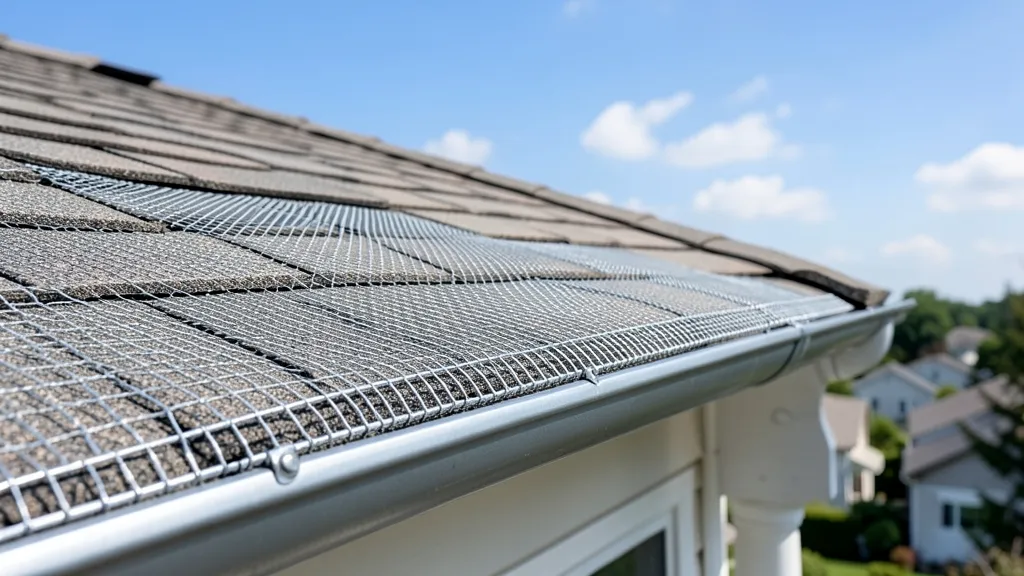
Gutter guards can be a game-changer for historic homes, but not all types work well with aging systems. Mesh and reverse-curve guards often perform best, keeping debris out while allowing water to flow freely.
Screen-style guards can clog with fine pine needles, common in Puyallup’s tree-lined streets. We often recommend micro-mesh for homes surrounded by evergreens in areas like South Hill.
Installation is key—poorly fitted guards can trap debris against the roof or create new drainage issues. Professional assessment ensures compatibility with your home’s existing gutter pitch and roof style.
When Cleaning Isn’t Enough: Repair and Replacement
Regular cleaning extends the life of any gutter system, but older homes often need repairs. Resealing seams, replacing damaged sections, and reinforcing hangers can restore functionality without full replacement.
Downspout cleaning is critical in historic districts. Clogged downspouts cause backups that overflow into walls or basements. We often find downspouts in older homes are undersized for modern rainfall volumes.
For homes with recurring issues, a full gutter inspection can reveal whether resealing, resloping, or partial replacement is the best solution. In some cases, upgrading to larger or more efficient systems is the smartest long-term investment.
When to Consider Gutter Replacement
- Multiple sections are rusted through or detaching
- Frequent leaks persist after resealing
- Gutters are visibly sagging or pulling away from the roof
- Water damage is appearing on fascia, soffits, or siding
- The system is over 25–30 years old and showing widespread wear
Seasonal Gutter Care for Puyallup’s Historic Homes
Spring and fall are critical for gutter maintenance in the Pacific Northwest. Spring cleaning removes winter debris, while fall cleaning prepares for heavy rains and prevents ice dams.
After major storms—common in late fall—inspect for new clogs or damage. Wind can dislodge downspouts or bend gutter sections, especially in exposed areas like Edgewood.
Winter prep should include checking for proper slope and ensuring downspouts direct water at least 5–10 feet from the foundation. This prevents freeze-thaw cycles from damaging your home’s base.
How to Inspect Your Historic Home’s Gutters Like a Pro
A thorough inspection can reveal problems before they cause damage.
- 1Check for Visible Damage
Walk around your home and look for sagging, rust, or peeling paint on gutters and fascia. Use binoculars to inspect hard-to-reach areas.
- 2Test the Slope
Use a level to check gutter pitch. Water should flow toward downspouts. Low spots indicate a need for resloping.
- 3Look for Water Marks
Stains or erosion beneath gutters signal overflow or leaks. Check the ground directly below downspouts for washout.
- 4Inspect Downspouts
Ensure downspouts are securely attached and free of debris. Pour water into the gutter to confirm it flows smoothly to the ground.
- 5Examine Seams and End Caps
Check for gaps, rust, or sealant failure at seams and end caps. These are common leak points in older systems.
- 6Assess the Roof Edge
Look for shingle granules in gutters—a sign of roof wear. Also, ensure gutters are properly aligned with the roof’s drip edge.
Frequently Asked Questions
How often should I clean gutters on an older Puyallup home?
We recommend cleaning at least twice a year—once in spring and once in fall. Homes with overhanging trees, like those in Sumner or Bonney Lake, may need more frequent attention to prevent pine needle buildup.
Can I install gutter guards on my historic home’s original gutters?
Yes, but compatibility depends on the gutter type and condition. Micro-mesh guards work well for fine debris, while reverse-curve guards may not fit older K-style gutters. A professional can assess the best option.
What are the signs that my gutters need to be replaced rather than repaired?
If you’re seeing widespread rust, multiple leaks that persist after sealing, or gutters pulling away from the roof, replacement may be necessary. Age is also a factor—gutters over 25–30 years often need upgrading.
Why do older homes in Puyallup seem to have more gutter problems?
Older homes often have original gutters not designed for modern rainfall volumes or debris loads. Additionally, aging materials like steel or wood fascia are more susceptible to damage from the region’s wet climate.
Do I need to worry about gutter maintenance in the summer?
Absolutely. Summer is the ideal time to inspect for damage from winter storms and ensure your system is ready for fall rains. It’s also a good time to address any sagging or misalignment before heavier weather hits.
How can I prevent ice dams in my historic home’s gutters?
Proper insulation and ventilation in your attic are key to preventing ice dams. Additionally, ensuring your gutters are clean and properly sloped helps water drain before it can freeze and back up under your shingles.