Why DIY Gutter Cleaning in Puyallup Often Falls Short
Every fall and winter, we see homeowners in Puyallup tackle gutter cleaning with good intentions—only to miss critical issues hidden beneath layers of pine needles and moss. The region’s wet climate and dense tree cover make this a job that’s deceptively difficult to do right the first time.
The Hidden Complexity of Pacific Northwest Gutters
Our area’s heavy rainfall and evergreen trees create a perfect storm for gutter clogs. Pine needles and fine debris form a dense mat that traps water, leading to overflow and potential fascia damage.
Unlike drier climates, Puyallup’s gutters often require more frequent cleaning—sometimes 3-4 times a year—to prevent long-term issues like rust, leaks, or even foundation erosion.
Safety Risks You Might Not Consider
Ladder stability is a major concern, especially on uneven driveways or steep roofs common in neighborhoods like South Hill. A slight misstep can lead to serious injury.
Even if you’re comfortable on a ladder, working near power lines or on multi-story homes adds layers of risk. Professionals use stabilized equipment and safety harnesses for these exact scenarios.
Never lean a ladder against gutters—they’re not designed to support that weight. Always rest it on a sturdy surface and have a spotter if possible.
What DIYers Typically Overlook
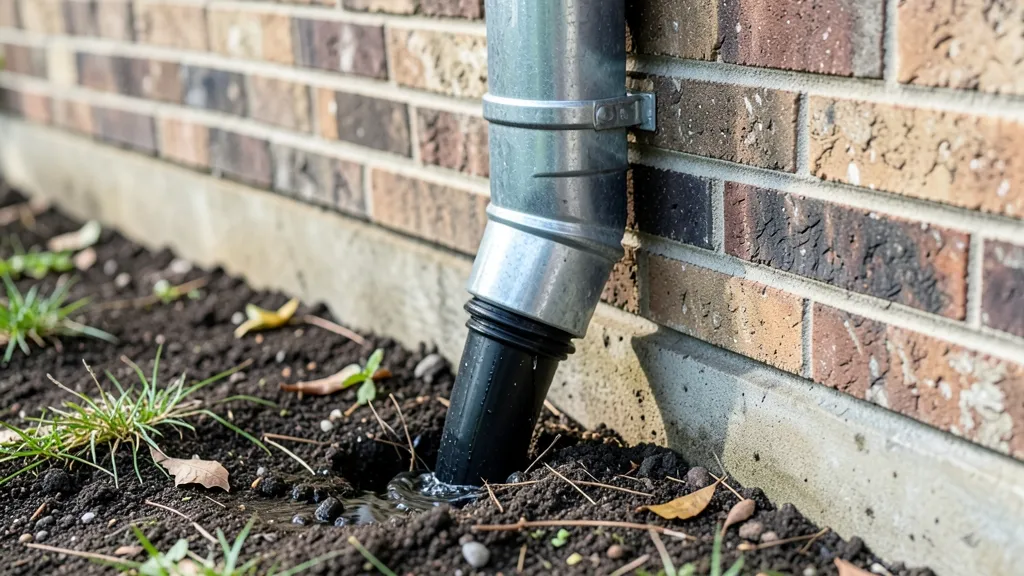
Most homeowners focus on removing visible debris but miss the buildup in downspouts. A clogged downspout can cause water to back up under shingles, leading to costly roof damage.
Inspecting gutter seals and slope is another often-neglected step. Even a slight misalignment can cause water to pool, accelerating rust or wood rot.
Common DIY Misses
- Downspout clogs below the roofline
- Fascia or soffit damage hidden by debris
- Improper gutter slope causing water pooling
- Loose or damaged gutter hangers
The Right Tools for the Job
A garden hose and gloves won’t cut it for Puyallup’s tough gutter gunk. Professionals use high-pressure blowers, specialized scoops, and even cameras to inspect downspouts thoroughly.
For homes with gutter guards, cleaning requires different tools to avoid damaging the screens while ensuring no debris is trapped underneath.
| Task | DIY Tool | Pro Tool |
|---|---|---|
| Removing pine needles | Garden trowel or hands | High-capacity gutter vacuum or scoop |
| Clearing downspouts | Hose or plumber’s snake | Pressure washer with downspout nozzle or auger |
| Inspecting for damage | Flashlight | Endoscopic camera or drone |
| Re-sloping gutters | Eyeball estimate | Laser level or digital inclinometers |
Long-Term Damage from Improper Cleaning
Scratching aluminum gutters with metal tools can strip protective coatings, leading to premature rust. This is a common mistake when DIYers use improper scrapers or brushes.
Over time, pooled water from poor cleaning can erode landscaping, damage driveways, or even compromise your home’s foundation—issues we see often in older Puyallup neighborhoods.
When DIY Makes Sense—and When It Doesn’t
For single-story homes with minimal tree cover, a thorough DIY cleaning might suffice if done carefully. But for most Puyallup properties, the risks and hidden complexities outweigh the savings.
If your gutters are seamless or have custom features, professional cleaning helps maintain them and prevents damage from improper maintenance.
If your home is two stories or taller, or if you’re uncomfortable on a ladder, it’s best to call in professionals. Safety should always come first.
How Puyallup’s Climate Affects Gutter Maintenance
The region’s wet winters and mild falls mean gutters stay damp for months, promoting moss and algae growth. This isn’t just unsightly—it can clog gutters faster than in drier areas.
Freeze-thaw cycles in winter can also loosen gutter seals or warp sections, especially in older systems. Regular inspections catch these issues before they lead to leaks.
How to Inspect Your Gutters Like a Pro
A quick inspection can reveal whether your gutters need attention before problems escalate.
- 1Check for Visible Debris
Look for pine needles, leaves, or moss buildup on the roof edge or in the gutter troughs. Even small amounts can indicate a larger clog.
- 2Test the Slope
Use a garden hose to run water through the gutters. If water pools or overflows, the slope may be off or a clog exists.
- 3Inspect Downspouts
Pour water into the downspout. If it doesn’t flow freely to the ground, there’s likely a blockage that needs clearing.
- 4Look for Damage
Check for rust, peeling paint, or sagging sections. These can signal water damage or structural issues.
- 5Examine the Fascia
Peel back any loose debris to inspect the wood behind the gutters. Soft or discolored wood indicates rot.
Frequently Asked Questions
How often should I clean my gutters in Puyallup?
For most homes, we recommend cleaning 3-4 times a year—once in late spring, early fall, late fall, and after major storms. Homes with heavy tree cover may need more frequent attention.
Can I just clean the gutters and ignore the downspouts?
No. Downspouts are critical for directing water away from your home. A clogged downspout can cause water to back up into gutters, leading to overflow and potential roof or foundation damage.
What’s the biggest mistake DIYers make in Puyallup?
Underestimating the debris. Pine needles and moss create a dense, water-logged mat that’s hard to remove without the right tools. Many DIYers also overlook downspout clogs or damage to the fascia.
Are gutter guards worth it in this area?
Gutter guards can help reduce maintenance, especially in neighborhoods like Bonney Lake or Edgewood with heavy tree cover. However, they still require occasional cleaning to ensure debris doesn’t build up on top of the guards.
How do I know if my gutters need repair or just cleaning?
If you notice sagging, rust, or water stains on your siding or foundation, it’s likely time for repairs. A professional inspection can determine whether cleaning, resealing, or full replacement is needed.
Do you serve areas outside Puyallup?
Yes, we provide gutter cleaning, repair, and installation services across the surrounding areas, including Sumner, Fife, South Hill, Edgewood, and Bonney Lake.