How Puyallup’s Summer Heat Impacts Your Gutters and What to Do About It
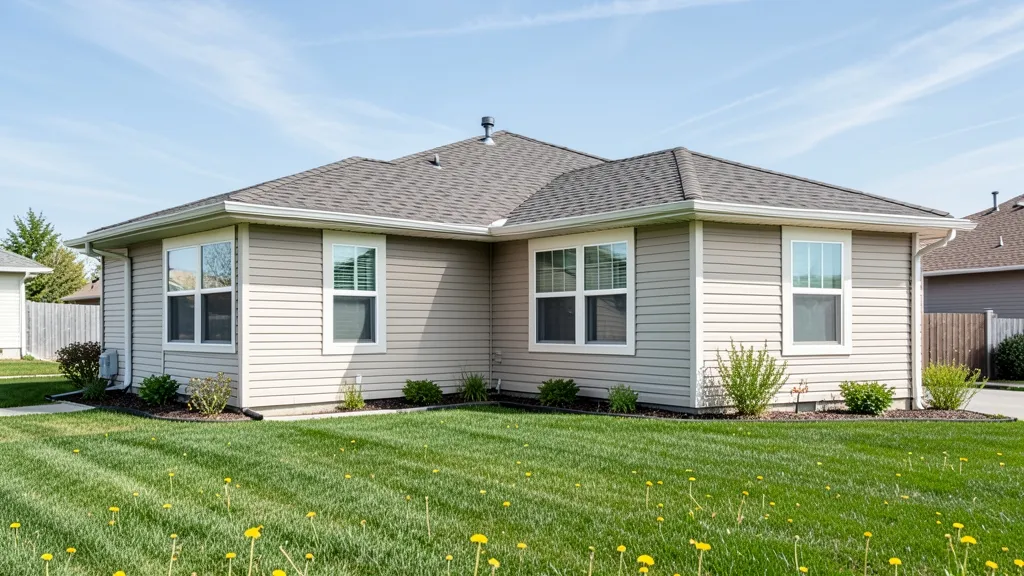
Puyallup’s summers bring dry heat and intense sunlight that can silently wreak havoc on your gutter system. While winter storms get all the attention, prolonged heat and UV exposure accelerate wear, compromise seals, and turn minor clogs into major headaches. We’ve seen firsthand how a little summer maintenance prevents costly repairs down the line.
Why Summer Heat Is Hard on Puyallup Gutters
High temperatures cause gutters and downspouts to expand and contract, stressing seams and joints. Over time, this movement weakens connections, leading to leaks or separation at the most inconvenient times.
UV rays break down the protective coatings on aluminum and vinyl gutters, making them brittle. In our area, the combination of heat and low humidity speeds up this degradation, especially on south-facing sections.
The Hidden Threat: Dry Debris and Clogs
Summer winds carry pine needles, maple samaras, and dust that settle in gutters. Unlike wet fall leaves, this dry debris compacts tightly, creating stubborn clogs that block water flow.
Even partial clogs can cause water to pool, accelerating rust in steel gutters or warping in vinyl. In neighborhoods like South Hill, tall evergreens make this a year-round concern, not just a seasonal one.
A clogged gutter in summer can overflow during the first autumn storm, dumping water near your foundation. We’ve cleaned up the aftermath in Sumner and Fife—it’s not pretty.
Heat-Induced Sealant and Caulk Failure
Gutter sealants and butyl caulk soften in extreme heat, losing their adhesive grip. This is why we often find end caps and miters leaking after a hot spell, even if they were fine in spring.
Reapplying sealant in summer requires timing—too hot, and it won’t cure properly; too cool, and it won’t bond. Late afternoon or early evening is ideal for resealing in our climate.
Algae, Moss, and the Shady Side of Your Roof
Puyallup’s mix of heat and morning dew creates perfect conditions for algae and moss growth, especially on north-facing roof sections. These organisms retain moisture, which can seep into gutters and fascia.
Left unchecked, moss can lift shingles and clog downspouts. We often pair gutter cleaning with a roof inspection in areas like Edgewood, where tree cover and humidity are higher.
| Issue | Primary Cause | Long-Term Risk |
|---|---|---|
| Sealant failure | Heat + UV exposure | Leaks at seams and end caps |
| Dry debris clogs | Wind-borne pine needles, dust | Overflow, water damage |
| Algae/moss growth | Moisture + shade | Clogged downspouts, roof damage |
| Gutter sagging | Expanded water weight from clogs | Pulling away from fascia |
| Brittle gutters | UV degradation | Cracks, reduced lifespan |
Proactive Summer Gutter Maintenance Checklist
Start with a visual inspection from the ground. Look for sagging sections, peeling paint, or rust streaks—these are red flags that heat and moisture are taking a toll.
Check downspouts for nests or debris. Birds and squirrels are active in summer, and a blocked downspout can cause water to back up into your gutters or under your roof.
Your Mid-Summer Gutter Tune-Up
- Inspect for sagging, rust, or peeling sealant
- Clear dry debris from gutters and downspouts
- Test downspout flow with a hose (watch for backups)
- Reapply sealant to end caps and miters if needed
- Trim overhanging branches to reduce future debris
When to Call a Pro: Signs You Need Expert Help
If your gutters are pulling away from the fascia, it’s often a sign of hidden damage or improper slope. This requires re-sloping or reinforcing hangers—jobs best left to professionals.
Persistent leaks after DIY resealing may indicate corrosion or misaligned sections. In older homes around Bonney Lake, we often find gutters that need partial replacement, not just repairs.
Flat-roof buildings in Fife or Sumner often have internal drain systems tied to gutters. Summer heat can warp these components, leading to hidden leaks. Schedule a commercial gutter inspection if you notice staining or drips.
Long-Term Solutions: Gutter Guards and Upgrades
Gutter guards reduce debris buildup, but not all are created equal. In our experience, mesh screens work well for pine needles, while reverse-curve systems handle heavier debris like maple seeds.
If your gutters are aging, consider upgrading to thicker-gauge aluminum or copper. These materials handle heat expansion better and last decades with proper care. We also recommend adding heat-resistant sealants during installation.
How to Safely Inspect Your Gutters in Summer
A quick, ground-level inspection can reveal most heat-related gutter issues before they escalate.
- 1Pick the Right Time
Inspect in the early morning or late afternoon to avoid the hottest part of the day. This also lets you spot dew-related issues like algae growth.
- 2Use Binoculars
From the ground, scan for sagging, gaps, or discoloration. Pay extra attention to seams and areas under tree cover.
- 3Test Downspouts
Run a hose into the downspout. If water doesn’t flow freely, there’s likely a clog. For second-story gutters, use a hose with an extension wand.
- 4Check for Water Stains
Look for dark streaks on siding or fascia—these indicate past or ongoing leaks. Note the locations for professional repair.
- 5Document and Plan
Take photos of any issues and prioritize repairs. If you’re uncomfortable with heights or unsure of the damage, request a quote for a professional assessment.
Frequently Asked Questions
How often should I clean my gutters in Puyallup during summer?
For most homes, a mid-summer cleaning (July or August) is sufficient to remove dry debris. However, if you have overhanging trees in South Hill or Edgewood, a second cleaning in late summer may be needed to prevent clogs before fall rains.
Can summer heat cause my gutters to warp?
Yes, especially if they’re vinyl or low-grade aluminum. Prolonged heat can soften these materials, leading to sagging or warping. Upgrading to thicker-gauge aluminum or copper mitigates this risk.
Why do my gutters leak more in summer?
Heat causes sealants to degrade and gutters to expand, which can open up gaps at seams and joints. Reapplying heat-resistant sealant usually solves the issue, but persistent leaks may require resealing or re-sloping.
Are gutter guards worth it for Puyallup homes?
Absolutely, if you’re tired of frequent cleanings. They’re particularly effective in areas with heavy tree cover, like Bonney Lake or near the Puyallup River valley. Just remember: guards reduce maintenance but don’t eliminate the need for occasional inspections.
How can you remove algae from gutters?
A solution of water and white vinegar (1:1 ratio) can kill algae and moss without damaging gutters. Apply with a spray bottle, let it sit for 10-15 minutes, then rinse. For severe growth, we recommend professional cleaning to avoid damaging the gutter surface.
Do commercial buildings in Puyallup need different gutter care?
Yes. Commercial systems often handle larger volumes of water and may include internal drains. Heat can affect these differently, so we recommend bi-annual inspections and cleanings, especially for flat-roof buildings in Sumner or Fife.