The Puyallup Homeowner’s Seasonal Gutter Cleaning Schedule (And Why It Works)
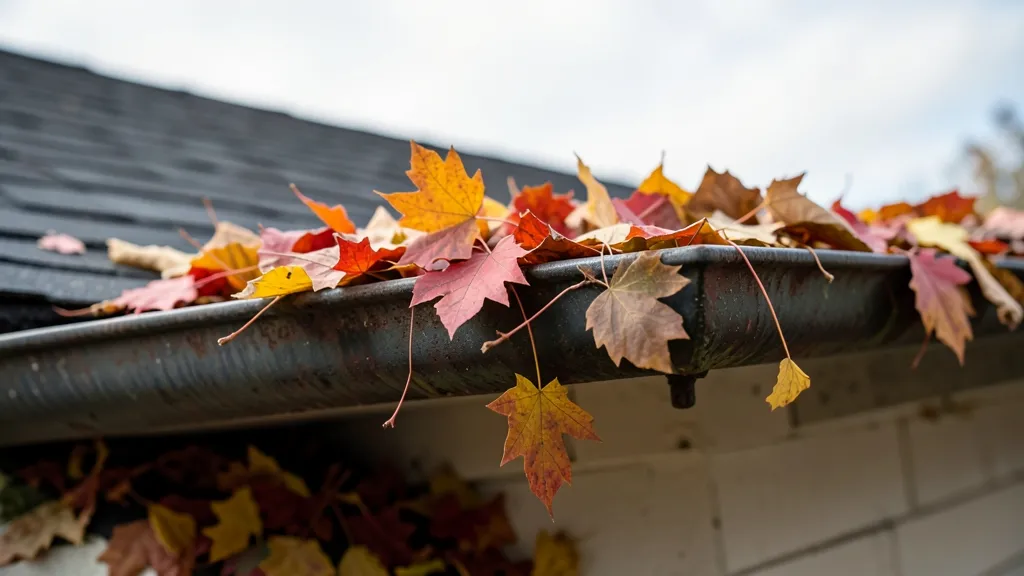
Puyallup’s wet winters and windy falls demand a gutter system that actually works. We’ve refined this seasonal cleaning schedule over years of local service to keep water flowing away from your roof, walls, and foundation—no matter what the weather throws at you.
Why Puyallup Gutters Need a Seasonal Approach
Our region’s heavy rainfall and dense tree cover mean gutters fill fast with pine needles, maple seeds, and moss. A one-and-done cleaning won’t cut it.
Seasonal maintenance prevents ice dams in winter, overflow in spring, and clogged downspouts during fall storms. It’s the difference between reactive repairs and proactive protection.
Spring: The Post-Winter Reset
Late March to early April is ideal. Winter debris—twigs, sediment, and leftover leaves—blocks flow just as spring rains ramp up.
We also inspect for winter damage: loose hangers, separated seams, or misaligned downspouts. Small fixes now avoid costly repairs later.
Valleys channel massive water volume. If they’re clogged, water pools and accelerates roof wear. Always clear them during spring cleaning.
Summer: The Overlooked Maintenance Window
Dry July and August seem low-risk, but summer storms can dump debris fast. A mid-summer inspection catches early buildup before fall hits.
This is also the best time for gutter repair or resealing. Dry weather means sealants cure properly, and we can test slope adjustments without rain interference.
Fall: The Critical Pre-Storm Cleanout
Late September to early October is non-negotiable. Falling leaves and needles clog gutters fast, and one heavy rain can overflow them into your basement or crawl space.
We often pair this cleaning with downspout flushing to ensure water exits far from your foundation. Extensions or splash blocks may need adjustments too.
Fall Gutter Prep Checklist
- Remove all leaves, needles, and seed pods from gutters and downspouts
- Inspect and clear all downspout elbows and outlets
- Test downspout flow with a hose to confirm proper drainage
- Check for and repair any sagging or misaligned sections
- Verify splash blocks or extensions direct water at least 5 feet from the foundation
Winter: Damage Control and Ice Dam Prevention
December through February, we focus on preventing ice dams. Clogged gutters trap melting snow, which refreezes and forces water under shingles.
If gutters are already clean, we may add heat tape or improve attic insulation and ventilation. But cleaning mid-winter is risky—wait for a dry, above-freezing stretch.
Ladders on icy or wet ground are a major hazard. If you must clean gutters in winter, hire professionals with proper safety gear and experience.
Gutter Guard Considerations for Puyallup Homes
Guards reduce cleaning frequency but aren’t maintenance-free. Micro-mesh screens block even pine needles, while reverse-curve guards can handle heavier debris.
In areas like South Hill or Edgewood with dense tree cover, guards pay off fast. But they must be installed with proper slope and secured tightly to avoid gaps.
| Type | Best For | Maintenance Needs | Cost Factor |
|---|---|---|---|
| Micro-Mesh Screens | Fine debris (pine needles, maple seeds) | Occasional surface cleaning | Moderate |
| Reverse-Curve Guards | Heavy debris (leaves, twigs) | Annual inspection for gaps | Higher |
| Foam Inserts | Light debris, low trees | Frequent replacement | Low |
| Brush Guards | Large leaves, minimal fine debris | Regular debris removal from tops | Low |
Signs Your Gutters Need Immediate Attention
Water spilling over during rain means clogs or improper slope. Sagging sections indicate failing hangers or excessive weight from trapped water and debris.
Stains on fascia or siding, or erosion marks below downspouts, signal chronic overflow. Address these quickly to prevent structural or foundation damage.
After heavy storms in Sumner or Fife, emergency cleanouts help prevent water intrusion. Delaying even a few days can lead to mold or rot.
Commercial Properties Aren’t Exempt
Warehouses, strip malls, and office buildings in Puyallup and Bonney Lake often have flat roofs or large surface areas. Their gutters and downspouts handle massive water volume.
We recommend quarterly cleanings for commercial systems, with extra attention to internal drains and scuppers. Neglect here risks leaks, interior damage, and code violations.
How to Inspect Your Gutters Between Cleanings
A quick visual check can catch issues before they escalate.
- 1Safety First
Use a sturdy ladder on level ground, or inspect from the ground with binoculars. Never lean the ladder against the gutters themselves.
- 2Check for Visible Debris
Look for leaves, twigs, or sediment in the gutter troughs. Even small piles can indicate clogs forming.
- 3Test the Slope
Pour a bucket of water into the gutter. It should flow toward the downspout without pooling. Standing water means a slope issue.
- 4Inspect Downspouts
Run a hose into the downspout top. Water should exit freely at the bottom. If it backs up, there’s a clog.
- 5Look for Damage
Check for rust, cracks, separated seams, or loose hangers. Note any areas where water stains the fascia or siding.
- 6Verify Drainage
Ensure downspouts direct water at least 5 feet from the foundation. Use splash blocks or extensions if needed.
Frequently Asked Questions
How often should I clean my gutters in Puyallup?
We recommend at least twice a year—spring and fall—as a baseline. Homes with heavy tree cover in neighborhoods like South Hill or Edgewood may need 3-4 cleanings annually.
Can I clean my gutters myself?
If you’re comfortable on a ladder and have the right tools, DIY is possible for single-story homes. But steep roofs, multi-story buildings, or icy conditions require professional service for safety and thoroughness.
What’s the best gutter guard for Puyallup’s pine trees?
Micro-mesh guards are the most effective for fine debris like pine needles. They block nearly all debris while allowing water to flow freely, reducing cleaning frequency significantly.
Why do my gutters overflow even when they look clean?
Hidden clogs in downspouts or improper gutter slope are common culprits. Sometimes, the gutters themselves are undersized for the roof’s drainage area. A professional inspection can diagnose the issue.
Do I need to clean gutters on a newer home?
Yes. Even new gutters can clog, especially in Puyallup’s climate. Regular maintenance extends their lifespan and ensures warranties remain valid. Plus, early inspections can catch installation flaws.
What areas do you serve beyond Puyallup?
Our team covers Sumner, Fife, South Hill, Edgewood, and Bonney Lake. Each area has unique challenges, from Sumner’s windblown debris to Bonney Lake’s steep terrain.