How to Spot Early Signs of Gutter Problems in Puyallup
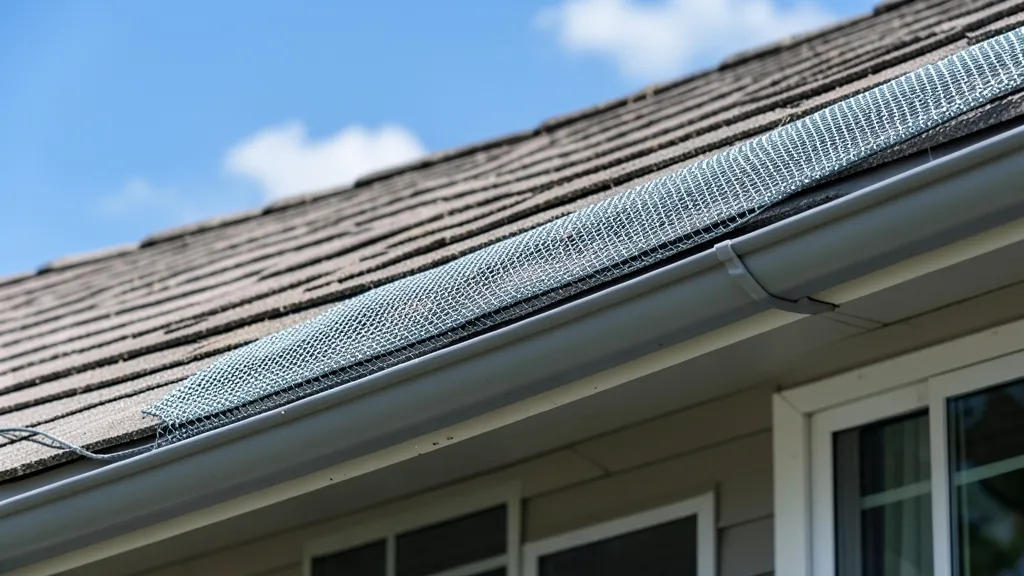
Puyallup’s wet winters and windy falls put gutters to the test. Catching problems early prevents costly water damage to your roof, siding, and foundation. We’ve seen it all—here’s how to spot the red flags before they escalate.
Why Early Detection Matters for Your Gutters
Gutters silently redirect thousands of gallons of rainwater each year. A small clog or misalignment can lead to overflow, which erodes soil, stains siding, and even cracks foundations over time.
In our climate, neglected gutters also accelerate wood rot in fascia and soffits. Repairing these areas is far pricier than a simple cleaning or resealing job.
Visible Overflow: The First Red Flag
During heavy rain, step outside and watch your gutters. If water spills over the sides like a waterfall, you’ve got a blockage or improper slope. This is common in areas like South Hill where maple seeds and pine needles clog systems fast.
Overflow isn’t just an eyesore—it means water isn’t being channeled away from your home. Left unchecked, it pools near the foundation, leading to cracks or basement leaks.
Even minor overflow can signal a pitch problem. Gutters should slope ¼ inch per 10 feet toward downspouts. If not, water backs up and spills.
Sagging or Pulling Away from the Roof
Sagging gutters are a cry for help. This usually means the fascia boards are waterlogged or the hangers have failed. In older Puyallup homes, original gutters may not have enough hangers to handle modern rainfall volumes.
If gutters pull away from the roof, it’s often due to ice dams in winter or the weight of trapped debris. We often see this in Edgewood, where freezing temps and heavy debris combine to stress systems.
Water Stains and Mildew: The Silent Indicators
Dark streaks on your siding or beneath the gutters are a dead giveaway of chronic overflow or leaks. These stains often appear in Sumner homes with vinyl siding, where water runs down and leaves mineral deposits.
Mildew or moss growing on the exterior walls or along the roofline is another sign. Gutters should keep water away from these surfaces—if they don’t, moisture lingers and creates the perfect environment for growth.
Inspect your home’s exterior within 24 hours of heavy rain. Fresh water stains or damp spots are easiest to trace back to the source.
Downspout Issues: Clogs and Improper Drainage
Downspouts are the gutters’ exit ramp. If water isn’t shooting out the bottom at a steady flow during rain, there’s likely a clog. In Puyallup, pine needles and maple samaras are the usual culprits.
Also, check where downspouts empty. If water pools at the base or the splash block is missing, it can erode the soil and undermine your foundation. Extensions should direct water at least 5 feet from the house.
| Issue | Likely Cause | Solution |
|---|---|---|
| Water drips from seams | Loose or failed sealant | Reseal with gutter-grade silicone or resealant |
| No water exits during rain | Clogged downspout or elbow | Clean with a plumber’s snake or pressure washer |
| Water sprays near foundation | Missing or short splash block | Install or extend splash block |
| Downspout detached | Failed straps or brackets | Reattach with new hardware or replace straps |
Peeling Paint or Rust Spots on Gutters
Peeling paint on your gutters or the fascia isn’t just unsightly—it’s a sign of trapped moisture. This often happens when gutters are constantly wet due to poor drainage or clogs.
Rust spots on steel or aluminum gutters indicate the protective coating has worn away. In our damp climate, rust spreads fast. If you spot it, plan for gutter repair or replacement soon.
Erosion or Gullying Below the Gutters
Walk around your home and look at the ground directly beneath the gutters. If you see trenches or washed-out areas, your gutters aren’t doing their job. This is especially common in Fife, where heavy clay soil erodes quickly under poor drainage.
Erosion can also signal that your downspouts are dumping water too close to the house. The fix might be as simple as adding extensions or adjusting the slope.
Quick Exterior Gutter Inspection
- Check for water stains or mildew on siding and fascia
- Look for sagging or pulling gutters along the roofline
- Inspect downspouts for clogs or improper drainage
- Scan the ground for erosion or gullying
- Note any peeling paint or rust on gutters
When to Call a Pro for Gutter Repair or Cleaning
If you spot multiple signs—like sagging, overflow, and rust—it’s time for a professional inspection. We can assess whether a deep cleaning, gutter resealing, or full replacement is needed.
For homes in Bonney Lake or other areas with heavy tree cover, we often recommend gutter guard installation to reduce future clogs. But even with guards, annual inspections are key to catching issues early.
How to Safely Inspect Your Gutters for Early Problems
A thorough inspection can reveal issues before they cause damage.
- 1Gather Tools
Use a sturdy ladder, gloves, and a flashlight. For two-story homes, consider a telescoping inspection camera to avoid unsafe climbing.
- 2Start at the Downspouts
Check for clogs by tapping the downspout—if it sounds hollow, it’s likely clear. If not, use a hose to flush from the top.
- 3Examine the Gutter Channels
Look for standing water, debris buildup, or sagging sections. Note any gaps at the seams or between the gutter and fascia.
- 4Inspect the Exterior
Walk the perimeter of your home. Look for water stains, mildew, or erosion below the gutters. Pay extra attention to corners and areas under heavy tree cover.
- 5Check for Rust and Damage
Run your hand along the gutter (wear gloves). Feel for rough spots, rust, or peeling paint. Note any areas where the gutter pulls away from the roof.
- 6Test with Water
Use a hose to simulate rain. Watch how water flows through the gutters and downspouts. Note any overflow or leaks.
Frequently Asked Questions
How often should I clean my gutters in Puyallup?
We recommend cleaning gutters at least twice a year—once in late fall after the leaves drop and again in early spring. Homes in wooded areas like Edgewood or South Hill may need more frequent attention due to pine needles and seed pods.
Can I fix sagging gutters myself?
Minor sagging can sometimes be fixed by tightening or replacing hangers. However, if the fascia is damaged or the gutters are pulling away, it’s best to call a pro. Improper repairs can lead to more damage or even collapse.
What’s the difference between gutter cleaning and gutter repair?
Cleaning removes debris and ensures proper water flow, while repair addresses structural issues like leaks, sagging, or damaged downspouts. Often, a thorough cleaning reveals the need for repairs.
Do gutter guards eliminate the need for cleaning?
Gutter guards reduce the frequency of clogs, but they don’t eliminate the need for inspections and occasional cleaning. Small debris can still accumulate, and guards themselves can fail or become clogged over time.
Why do my gutters overflow even after cleaning?
Overflow after cleaning usually indicates a pitch or slope issue. Gutters must be angled correctly toward downspouts to ensure water flows out. If the slope is off, water pools and spills over the sides.
Are there specific gutter problems common in Puyallup’s climate?
Yes. Our wet winters and windy falls lead to frequent clogs from pine needles and maple seeds. Ice dams in winter can also cause gutters to pull away from the roof. Additionally, the constant moisture accelerates rust and wood rot in fascia and soffits.