How to Choose the Right Gutter Guard Contractor in Puyallup
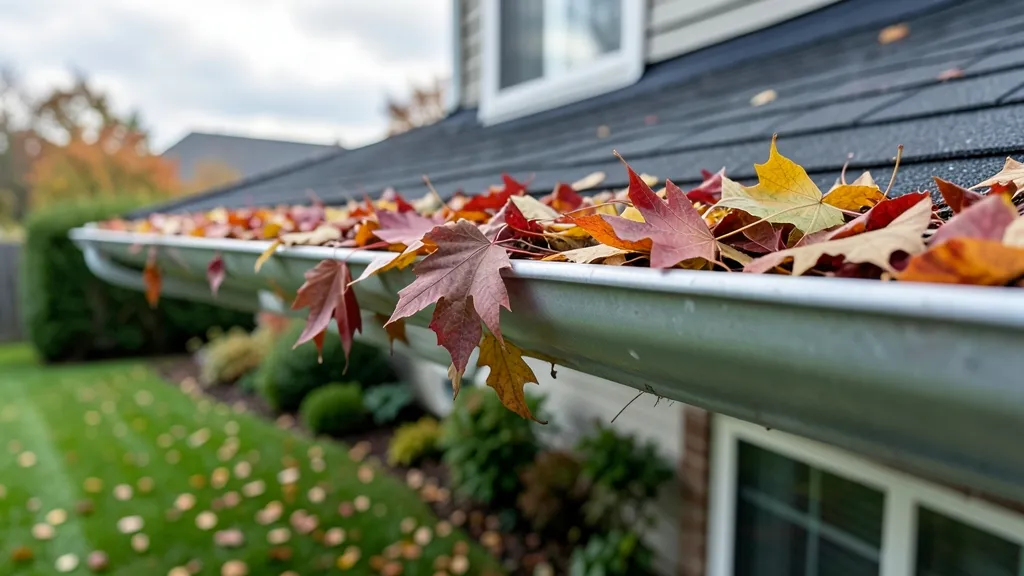
Choosing the right gutter guard contractor can mean the difference between years of hassle-free protection and costly mistakes. Our team has installed and serviced every major type of guard in the Pacific Northwest’s wet, debris-heavy climate. Here’s how to pick a pro who understands Puyallup’s unique challenges.
Understand Puyallup’s Gutter Guard Needs First
Our region’s heavy rainfall and evergreen debris demand guards that handle both high volume and fine particles. Micromesh and reverse-curve systems often outperform basic screens here.
Pine needles and cedar helicopter seeds clog standard screens fast. A contractor familiar with local foliage will recommend solutions that actually stay clear.
Key Traits of a Reliable Gutter Guard Installer
Look for a team that inspects your entire roof and gutter system before quoting. Proper sizing, pitch, and downspout alignment are non-negotiable for performance.
They should also assess fascia and soffit condition. Weak or rotting wood can compromise even the best guard system over time.
Must-Have Contractor Qualities
- Experience with local climate and debris types
- Uses high-grade aluminum or stainless steel materials
- Offers written warranties on labor and products
- Provides free, on-site estimates with no pressure
Gutter Guard Types: What Works Best in the Pacific Northwest
Micromesh guards excel at blocking pine needles and fine debris while allowing heavy rain to flow through. Ideal for homes surrounded by evergreens.
Reverse-curve (or surface-tension) guards shed leaves and debris but can struggle with heavy needle loads. Best for areas with larger leaf litter.
Screen guards are budget-friendly but require frequent maintenance in debris-heavy zones. Foam inserts are cheap but can trap moisture and cause rot.
| Type | Best For | Maintenance | Cost Factor |
|---|---|---|---|
| Micromesh | Fine debris (pine needles, seeds) | Low | Higher upfront |
| Reverse Curve | Large leaves, light debris | Moderate | Mid-range |
| Screen | Budget-conscious, low-debris areas | High | Lower upfront |
| Foam Inserts | Temporary solution | Very High | Lowest upfront |
Ask These Questions Before Hiring
Do you custom-fit guards to my gutter system, or use one-size-fits-all panels? Poor fits lead to gaps, debris buildup, and water overflow.
What’s your warranty on both materials and workmanship? Reputable contractors stand by their work for years, not months.
Do you handle gutter repair or resealing if needed? Many homes in Sumner or South Hill need minor fixes before guards can be installed properly.
Ask for references from homes in your neighborhood. Seeing guards in action after a few seasons tells you more than any sales pitch.
Red Flags to Watch For
Avoid contractors who push a single product without assessing your home. Every roof pitch, tree cover, and gutter type demands a tailored approach.
Beware of ultra-low bids. Cheap materials or rushed installations often lead to clogs, sagging, or ice dams in our freezing winters.
No written estimate or contract? Walk away. Verbal agreements leave you unprotected if issues arise later.
Some out-of-area crews don’t understand Puyallup’s microclimates. Local experience matters—especially for downspout alignment in heavy rain.
Why Local Experience Matters
We’ve seen how gutter guards perform in Edgewood’s dense forests versus Fife’s more open lots. A contractor who knows these nuances will recommend the right system for your exact location.
Local pros also understand building codes and HOA rules in neighborhoods like South Hill. This saves headaches during permits and inspections.
The Installation Process: What to Expect
A thorough installer starts with a full gutter cleaning and inspection. This ensures no hidden clogs or damage will undermine your new guards.
They’ll measure and cut guards to fit seamlessly, securing them with durable hangers or clips. Poor attachment leads to guards shifting or detaching in storms.
Finally, they’ll test water flow and check for gaps. A quick rain simulation or hose test confirms everything works before they leave.
How to Vet a Gutter Guard Contractor in 5 Steps
Follow this process to find a contractor who delivers quality and durability.
- 1Check Licenses and Insurance
Verify their Washington state license and confirm they carry liability and worker’s comp insurance. This protects you from liability if accidents occur.
- 2Read Local Reviews and Ask for References
Look for feedback from homeowners in Puyallup, Sumner, or Bonney Lake. Ask references about long-term performance, not just the initial install.
- 3Request Multiple Written Estimates
Compare at least three quotes. Ensure each includes material types, warranty details, and a full scope of work.
- 4Insist on a Roof and Gutter Inspection
A proper assessment should cover gutter pitch, downspout condition, and roof integrity. Skipping this step risks poor performance.
- 5Confirm Warranty and Follow-Up Service
Choose a contractor who offers a clear warranty and post-installation support. Ask if they provide gutter cleaning or repair services for added convenience.
Frequently Asked Questions
Do gutter guards eliminate the need for gutter cleaning entirely?
No. Even the best guards need occasional maintenance. Fine debris can accumulate on top, and downspouts may still clog. We recommend annual inspections and cleaning as needed.
What’s the most common gutter guard failure in Puyallup?
Poorly fitted screens or cheap mesh that can’t handle pine needles. These often sag or tear, leading to clogs and overflow. Micromesh or properly installed reverse-curve systems hold up far better.
Can I install gutter guards myself?
DIY is possible for simple screen types, but improper installation voids warranties and can cause damage. For micromesh or reverse-curve systems, professional installation is strongly recommended.
How do I know if my gutters need guards?
If you’re cleaning clogs more than twice a year, noticing water damage, or dealing with ice dams in winter, guards are likely a smart investment. A roof and gutter inspection can confirm.
Do gutter guards work with all types of gutters?
Most guards are compatible with standard K-style or half-round gutters. However, custom or oversized gutters may require specialized solutions. A professional assessment is key.
Are there gutter guards that prevent ice dams?
No guard can fully prevent ice dams, but properly installed systems with heating cables or improved insulation can reduce the risk. Addressing attic ventilation is also critical in our climate.