How Clogged Gutters Cause Foundation Damage in Puyallup Homes
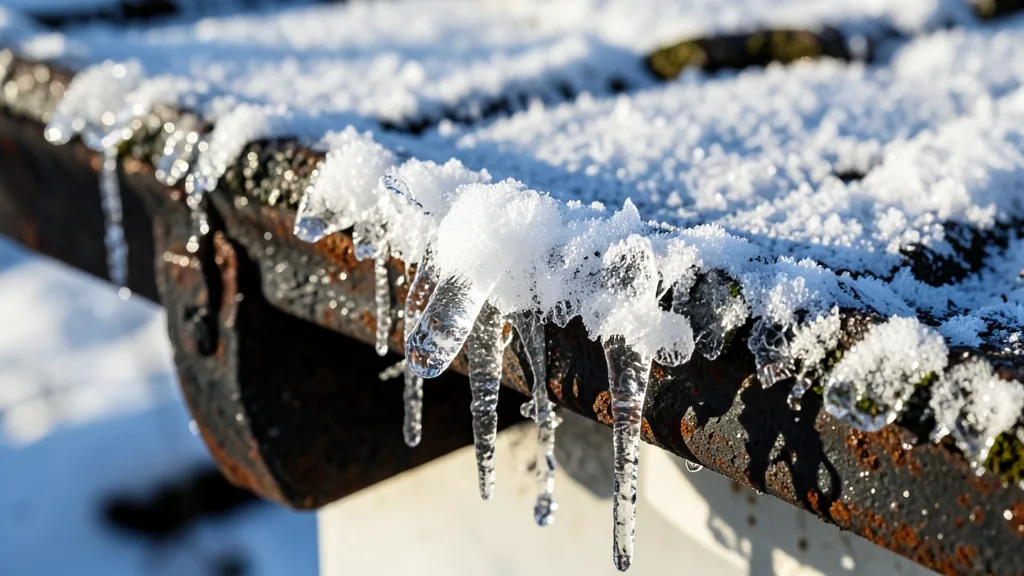
Puyallup’s wet winters and heavy autumn leaf drop make clogged gutters a year-round risk. When gutters fail, water pools where it shouldn’t—eroding soil, cracking foundations, and inviting moisture into your home’s structure. We’ve seen the damage firsthand, and it’s almost always preventable.
The Direct Link Between Clogged Gutters and Foundation Problems
Gutters are your roof’s first line of defense against uncontrolled water. When they’re clogged with leaves, pine needles, or sediment, water overflows and cascades down the sides of your house.
This isn’t just an eyesore—it saturates the soil around your foundation. In our clay-heavy local soil, that saturation leads to expansion, then contraction as it dries, creating pressure that cracks concrete over time.
How Rainwater Eroding Soil Threatens Your Home’s Stability
Uncontrolled runoff carves trenches in your landscaping, but the real danger is what you can’t see. As soil washes away, it leaves voids beneath your foundation’s footing.
In neighborhoods like South Hill or Edgewood, where slopes are common, this erosion accelerates. Without proper drainage, even a single heavy storm can shift the ground under your home.
Foundation cracks start small but widen with each freeze-thaw cycle. By the time you notice them indoors, the damage may already require extensive repair.
Downspouts: The Often-Overlooked Culprit
Even clean gutters won’t help if downspouts are clogged or improperly placed. Water should be directed at least 5–10 feet away from your foundation via extenders or splash blocks.
In older Puyallup homes, we often find downspouts dumping water right at the base of the house. This is a recipe for basement seepage, especially in low-lying areas near Fife or Sumner.
Clogged Gutters vs. Properly Maintained Systems: A Side-by-Side
The difference between neglected and maintained gutters isn’t just cosmetic. It’s the difference between a dry basement and a flooded one, between stable soil and a sinking foundation.
| Gutter Condition | Foundation Risk | Landscaping Impact | Roof & Fascia Damage |
|---|---|---|---|
| Clogged/Overflowing | High: Soil erosion, cracks, water intrusion | Severe: Gullying, plant loss, mudslides on slopes | High: Rot, rust, fascia pull-away |
| Partially Clogged | Moderate: Localized saturation, minor cracks | Moderate: Uneven erosion, standing water | Moderate: Accelerated wear, leak risks |
| Clean & Functional | Low: Proper drainage protects footing | Minimal: Controlled runoff, healthy soil | Low: Extended lifespan, no water damage |
Seasonal Risks in the Puyallup Area
Fall’s constant leaf drop clogs gutters fast, but winter brings its own threats. Ice dams form when trapped water freezes at the roofline, forcing meltwater under shingles and into walls.
Spring’s heavy rains test your system’s capacity, while summer’s dry spells can bake debris into stubborn blockages. Each season demands a different approach to gutter maintenance.
Schedule gutter cleaning in late fall after leaves drop and again in early spring before the rainy season peaks. This two-step approach prevents most clog-related issues.
Signs Your Gutters Are Failing (and Your Foundation Is at Risk)
Overflowing water during rain is the most obvious red flag. But also watch for sagging gutters, which indicate trapped weight from debris and standing water.
Other warning signs include peeling paint or rust on the gutter itself, water stains on siding, or pools of water near your foundation. In Bonney Lake’s wooded areas, pine needles can create particularly stubborn clogs.
Foundation Risk Warning Signs
- Water spilling over gutter edges during rain
- Visible sagging or pulling away from the roofline
- Cracks in foundation walls or basement floor
- Soil erosion or washouts near the house
- Musty odors or water stains in the basement
Long-Term Solutions Beyond Just Cleaning
Regular cleaning is essential, but some homes need more. Gutter guards can reduce debris buildup, though they’re not maintenance-free—pine needles and fine sediment can still accumulate.
For chronic issues, consider resealing gutters to prevent leaks or resloping them for better drainage. In areas with heavy tree cover, like Edgewood, more frequent inspections may be necessary.
When to Call in the Pros
If your gutters are two stories up, or if you’re seeing signs of foundation stress, it’s time for professional help. We use specialized equipment to safely clear debris and inspect for hidden damage.
A thorough gutter inspection often reveals issues like loose hangers, corroded sections, or improper pitch—problems that DIY cleaning might miss but that can worsen foundation risks.
How to Check Your Gutters for Foundation Risks
A quick visual inspection can reveal potential problems before they escalate.
- 1Safety First
Use a sturdy ladder and have a spotter. Never lean the ladder against the gutters themselves—they may not support your weight.
- 2Look for Overflow
Run a hose into the gutters. If water spills over the sides instead of flowing to downspouts, you’ve got a clog.
- 3Inspect Downspouts
Ensure water exits at least 5 feet from your foundation. Use a plumber’s snake or hose to clear any blockages inside.
- 4Check for Sagging
Sagging sections indicate trapped water or debris weight. This can pull gutters away from the fascia, leading to bigger issues.
- 5Examine the Ground
Look for erosion, standing water, or mud splatter near your foundation. These are signs your gutters aren’t directing water far enough away.
Frequently Asked Questions
Can clogged gutters really cause foundation cracks in Puyallup’s climate?
Absolutely. Our wet winters and clay soil are a perfect storm for foundation issues. When gutters overflow, water pools around the base of your home, softening the soil and creating pressure that leads to cracks.
How often should I clean my gutters in Puyallup?
At minimum, twice a year—once in late fall after the leaves drop and again in early spring. Homes with heavy tree cover in areas like Bonney Lake or South Hill may need cleaning every 3–4 months.
Are gutter guards worth it for preventing foundation damage?
They help, but they’re not a silver bullet. Guards reduce debris buildup, but fine particles and pine needles can still clog them. Regular inspections and cleanings remain essential, especially in our region’s high-debris environment.
What’s the difference between gutter cleaning and gutter repair?
Cleaning removes debris to restore proper water flow. Repair addresses structural issues like leaks, sagging, or detached sections. Both are critical—cleaning prevents damage, while repair fixes it before it worsens.
I see water stains on my siding. Could this be from my gutters?
Very likely. Overflowing gutters send water cascading down the sides of your house, leading to stains, peeling paint, and even siding rot. If left unchecked, this moisture can eventually seep into your foundation.
Do I need to worry about gutters if my home is on a slope in Sumner?
Slope or no slope, gutters matter. On a slope, improper drainage can cause runoff to carve channels toward your foundation or even trigger minor landslides in the soil. Properly functioning gutters and downspouts are key to controlling that water.